Climbing Mount Kilimanjaro
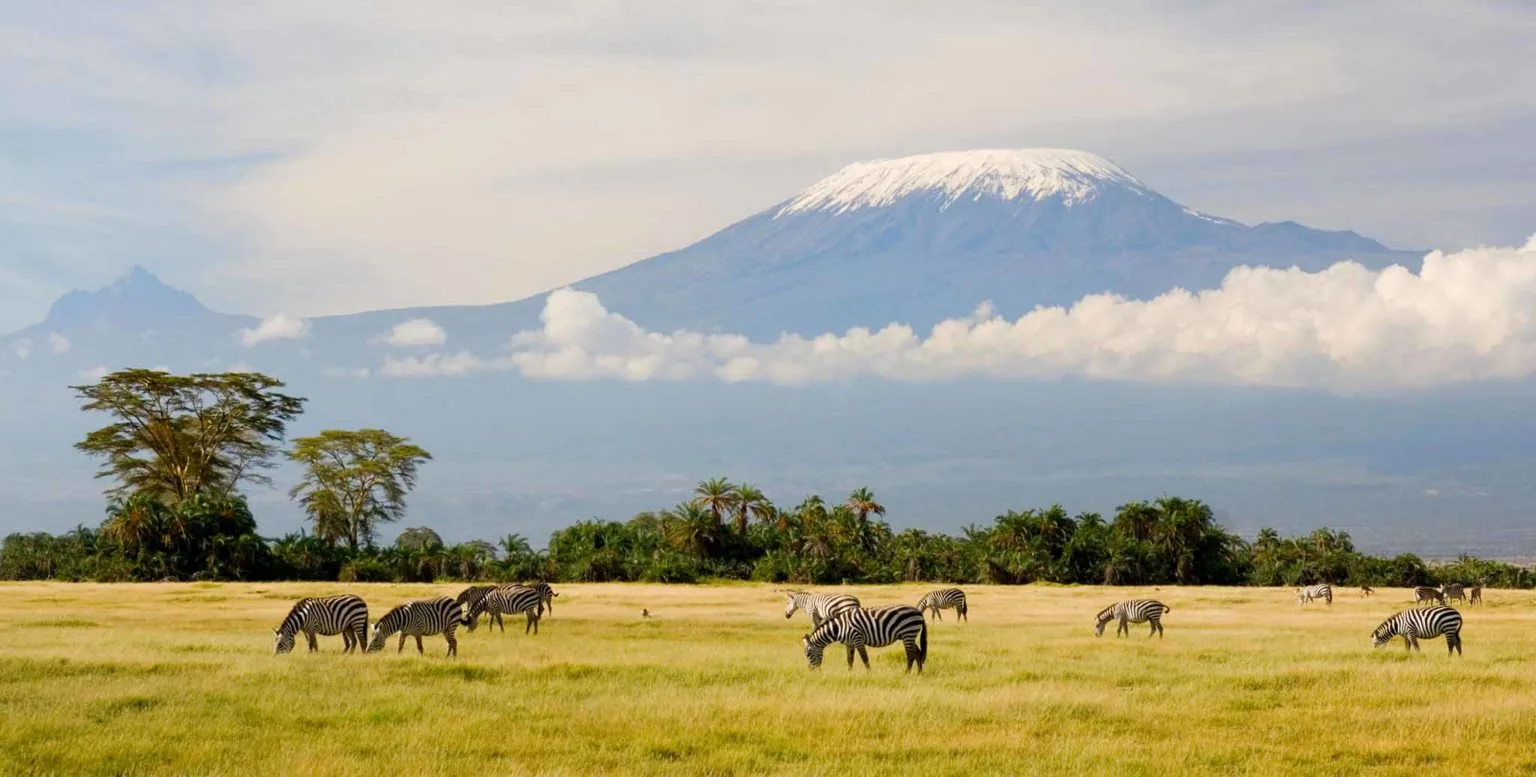
Mount Kilimanjaro rises to 5,895 metres at Uhuru Peak and is the highest mountain in Africa. Standard tourist routes are guided trekking routes rather than technical climbs, but altitude, cold, fatigue and changing weather make the journey a serious mountain objective.
Choose the route before choosing the package
Machame, Lemosho, Marangu, Rongai, Northern Circuit and Umbwe offer different approaches, durations, sleeping styles and acclimatisation profiles. Marangu uses huts, while the other mainstream trekking routes use designated camps. Longer programmes generally provide more time for the body to adjust to altitude.
Prepare for multiple climate zones
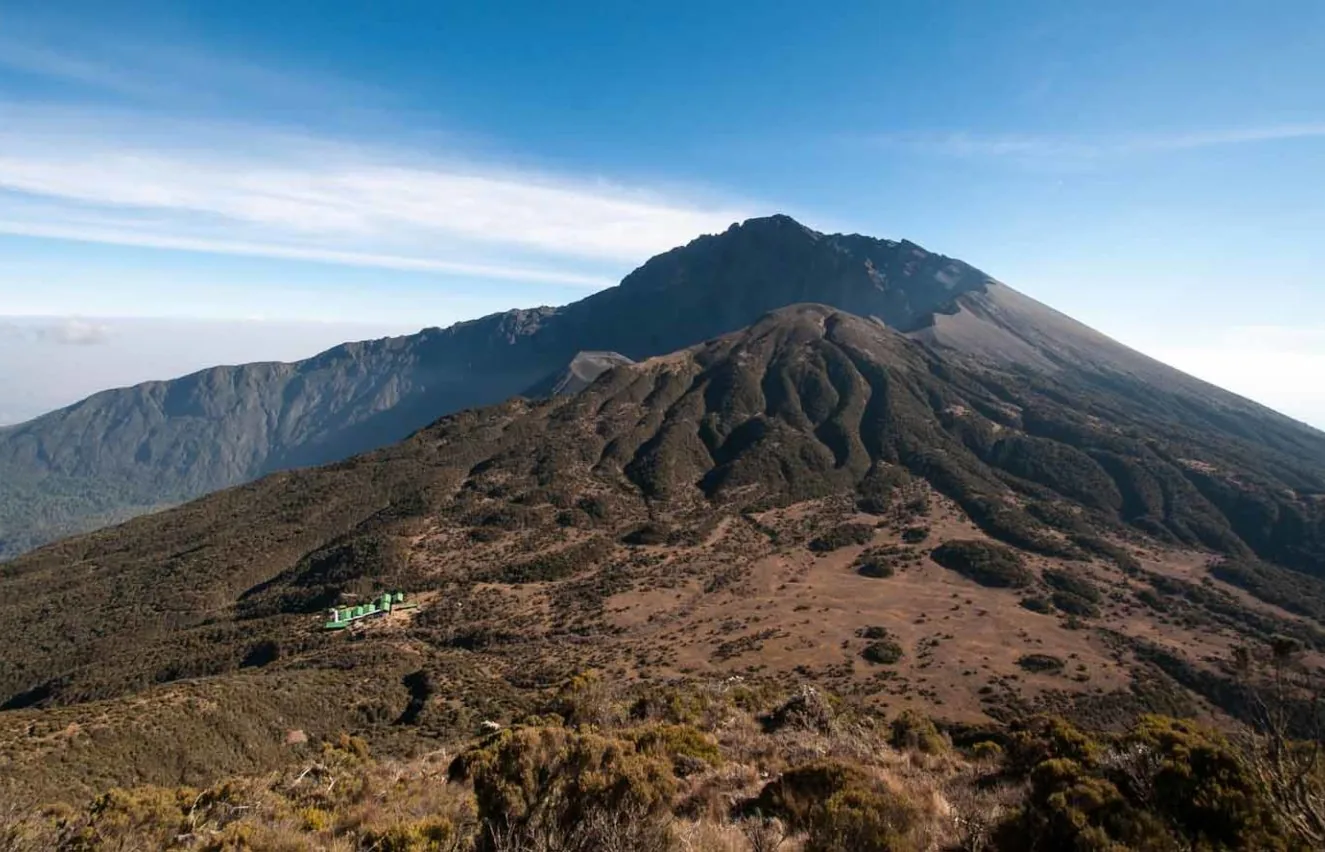
The trek begins at lower, warmer elevations and progresses through forest, heath and moorland into alpine desert and the cold summit zone. Layering, waterproof protection, suitable footwear and summit-night warmth all matter.
Plan the whole Kilimanjaro journey
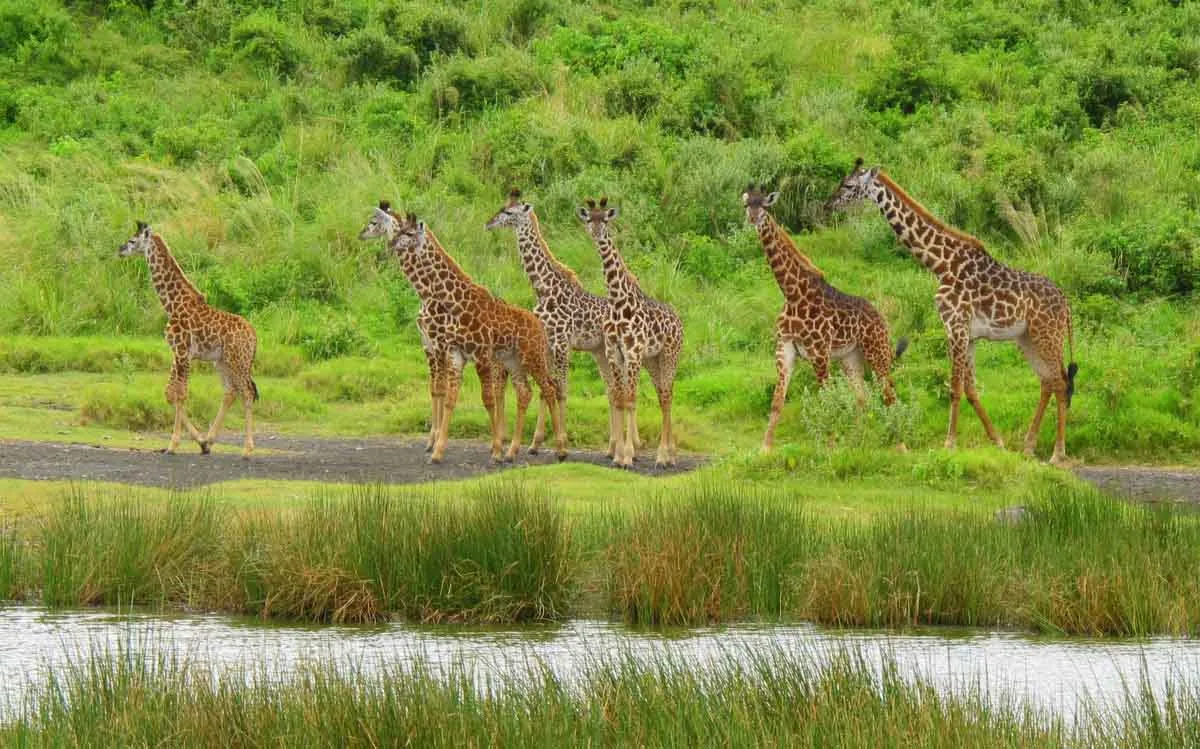
A complete climb includes pre-climb briefing, route transfers, mountain support, park procedures, equipment preparation and recovery time. Kilimanjaro can also connect naturally with a Northern Tanzania safari or Zanzibar after the mountain.
Africa’s highest mountain, multi-day trekking routes and high-altitude summit experience.
Getting thereMost climbs begin from Moshi or Arusha with a pre-climb briefing and road transfer to the selected trailhead.
Planning noteRoute length, acclimatisation profile, porter support and realistic preparation should drive the programme design.