
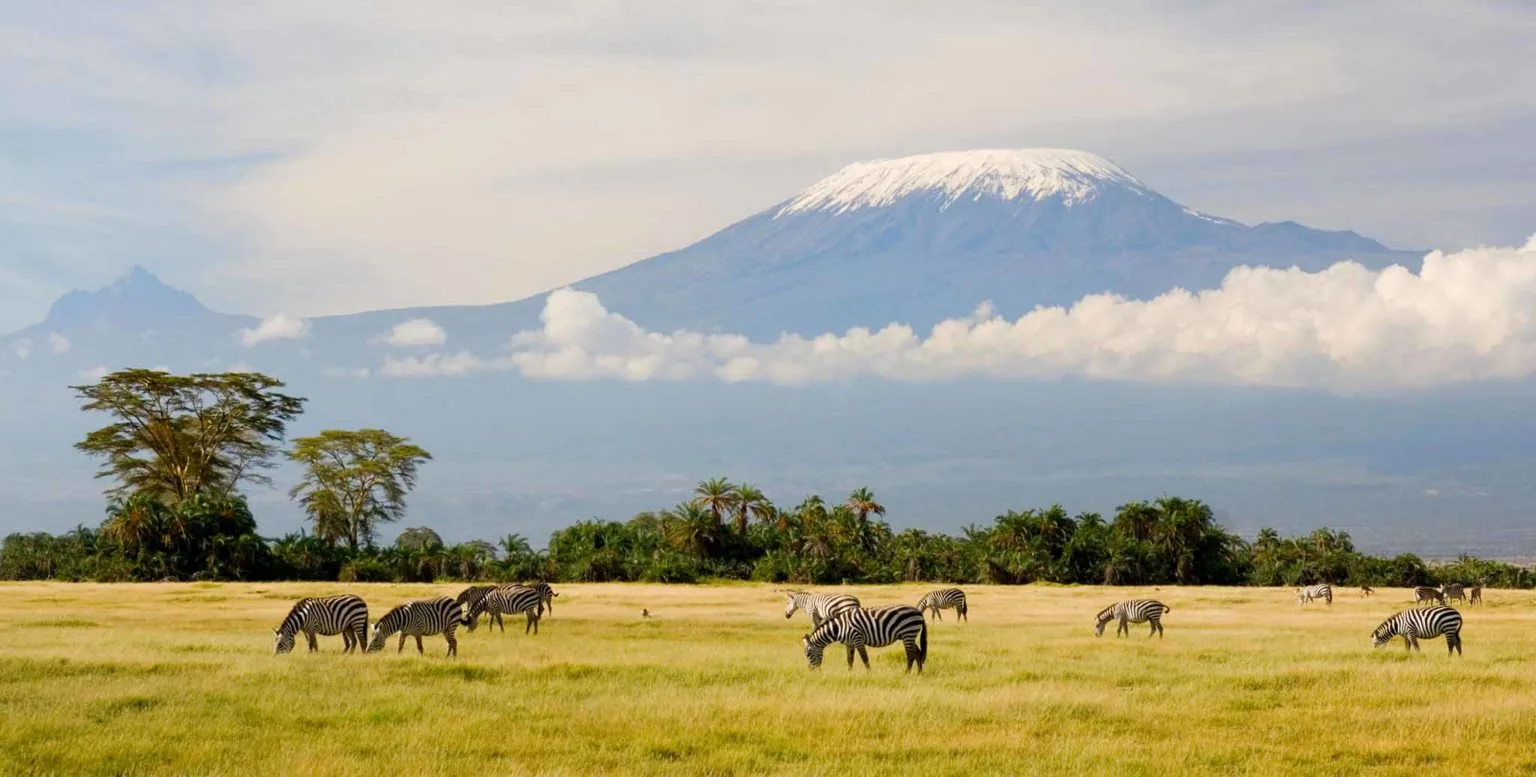
Altitude is the central challenge on Kilimanjaro
Uhuru Peak reaches 5,895 metres. The standard routes are trekking routes rather than technical mountaineering climbs, but altitude can affect anyone regardless of fitness.
Why slower ascent helps
Longer itineraries give the body more time to adjust as elevation increases. Route profiles that include gradual gains or higher daytime walks followed by lower sleeping elevations can support acclimatisation.
Listen to the guide team
Headache, nausea, unusual fatigue, dizziness or other symptoms should be reported promptly. Mountain guides assess pace and condition throughout the climb and can recommend stopping or descending when necessary.
Fitness is not immunity
Being fit helps with the physical work of trekking but does not guarantee protection from altitude illness. Preparation should include realistic pacing, hydration, nutrition, sleep and appropriate medical advice before travel.