There is no single best month for every safari
Tanzania can be visited throughout the year, but the experience changes with rainfall, wildlife movement, road conditions and the parks included in the itinerary. The dry season is often chosen for easier wildlife viewing around permanent water, while greener months can bring dramatic landscapes, fewer vehicles in some areas and strong birdlife.
June to October: dry-season safari conditions
These months are widely used for classic wildlife safaris. Vegetation is generally drier and animals can become easier to locate around rivers and water sources. Northern and Southern Tanzania both work well, although popular areas can be busier during peak holiday periods.
November to March: green landscapes and seasonal wildlife
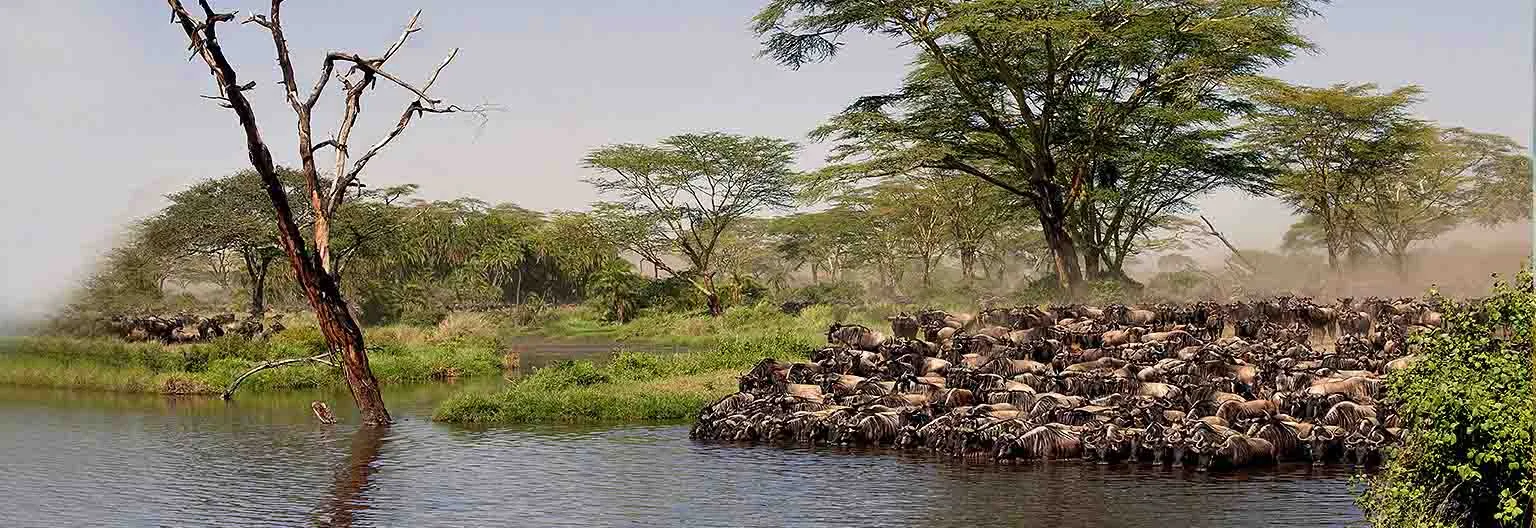
Short rains can refresh the landscape without necessarily preventing safari activities. In the Serengeti ecosystem, the exact location of migrating herds changes from year to year, so the itinerary should be matched to current seasonal patterns rather than a fixed promise.
April and May: lower-season planning
Longer rains can make some routes slower and certain remote properties may close temporarily, but travellers who value quieter conditions can still find worthwhile options. Always confirm lodge operations and road access before finalising a Southern Circuit or remote safari programme.
Choose the season after choosing the experience
Start with the parks and activities that matter most to you, then compare the months that suit those priorities. Cruize Wild Safaris can help balance wildlife interests, budget, driving time and accommodation availability before the route is confirmed.