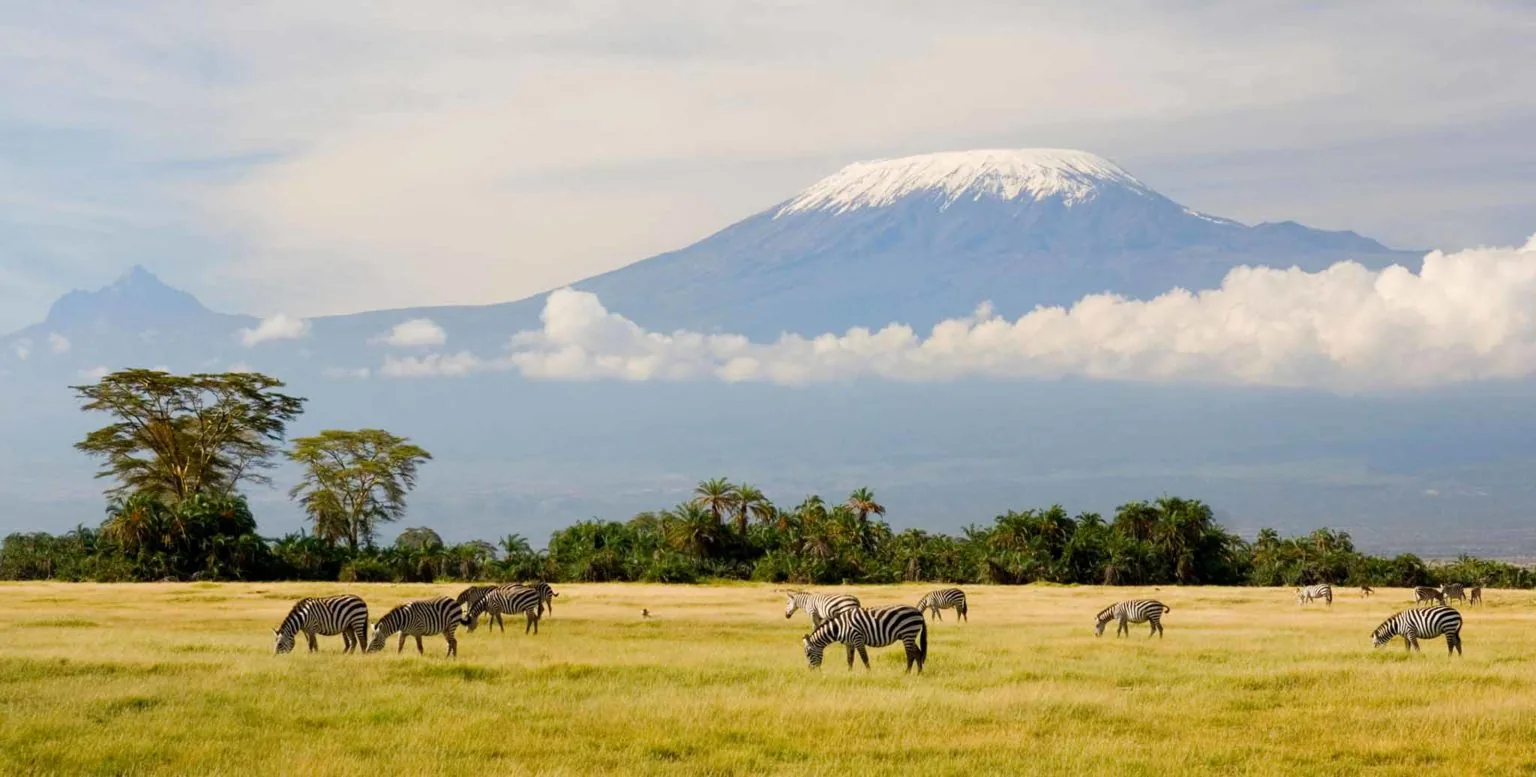
Many standard routes do not require technical climbing skills in normal conditions, but the summit is at extreme altitude. Cold, fatigue and reduced oxygen.
It is a high-altitude trek, not a casual walk
Many standard routes do not require technical climbing skills in normal conditions, but the summit is at extreme altitude. Cold, fatigue and reduced oxygen make the experience physically demanding.
Fitness helps but cannot guarantee acclimatisation
Cardiovascular preparation and regular hiking help with long days on foot. Altitude illness can affect fit people too, so a suitable itinerary and close attention to symptoms are essential.
The summit night is different
The final ascent can be cold, slow and mentally challenging. Follow your mountain guide’s instructions, eat and drink as advised, and be prepared to turn around if safety requires it.
Questions for your operator
Ask about guide qualifications, emergency oxygen and communication, evacuation procedures, porter welfare, route duration and what happens if a climber cannot continue. Discuss individual medical concerns with a qualified clinician before travel.
Plan your next step
The right plan depends on your dates, starting point, travel style and how much time you want in each place. Ask for an itinerary with realistic transfers and clear inclusions, rather than a long list of stops.
Explore Kilimanjaro & Trekking or browse relevant Tanzania itineraries. To discuss a trip that fits your schedule, contact Cruize Wild Safaris.